A generator might spend days, weeks or even months providing reliable power without an obvious problem. That does not mean it should be left unchecked.
However, like all machinery, generators contain components that are susceptible to wear and tear, which can lead to unexpected breakdowns if not properly maintained. Regular servicing is key in identifying potential problems and keep the generator operating as it should.
The aim of servicing is not to repair a generator after something goes wrong. It is about reducing the likelihood of something going wrong in the first place.
What Happens If a Generator Is Not Serviced Regularly?
A generator that runs without maintenance does not usually fail all at once. Small problems can build up quietly: an air filter clogs, oil breaks down, a battery loses charge, connections loosen with vibration. None of these things stop a generator instantly, so it is easy to assume everything is fine because the power has not gone off yet.
Over time, these small issues start to affect performance. Fuel consumption increases, the engine works harder than it needs to, and the risk of a sudden breakdown increases, often at the worst possible moment, such as during a live event or partway through a critical phase of construction work. This is one of the reasons remote monitoring has become such a useful tool for hire customers. By tracking fuel levels, output and performance in real time, developing issues can be picked up and acted on before they turn into a full failure.
What Does a Generator Service Involve?
A generator service is a structured inspection, not just a quick check. It is designed to catch problems while they are still minor.
Routine Checks and Component Inspection
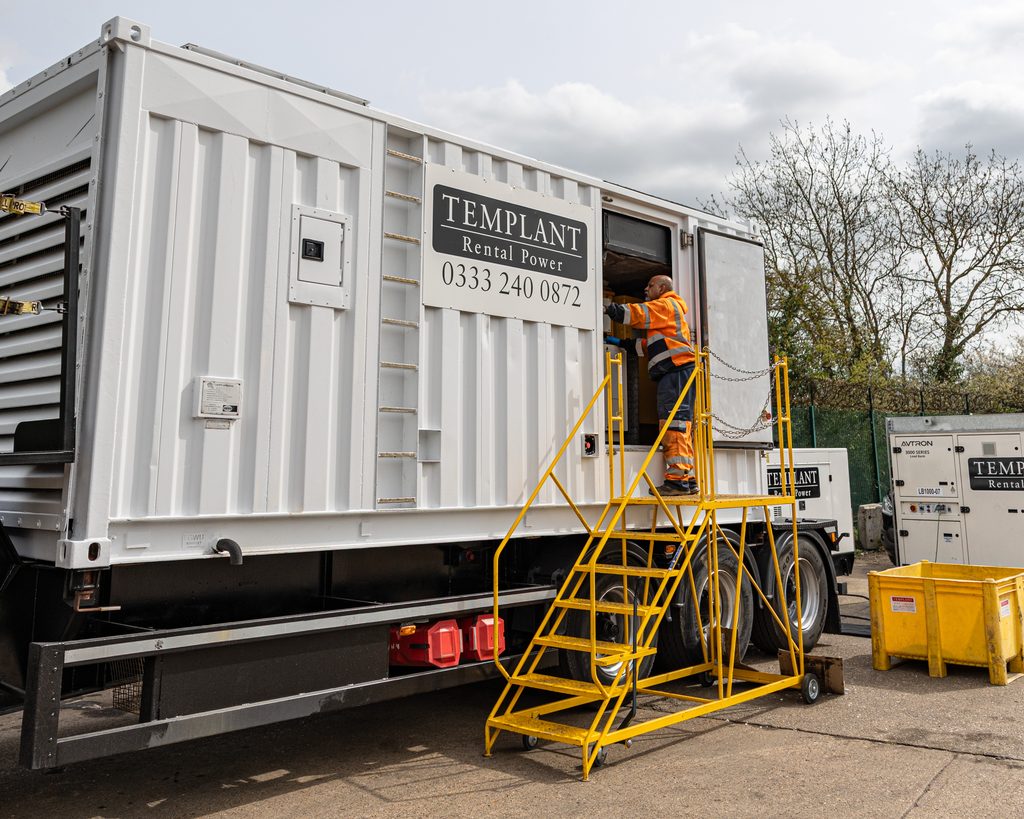
During a service, an engineer will check and, where needed, replace items such as the oil, oil filter, air filter and fuel filter. They will also inspect the coolant system, battery condition, belts, and electrical connections. Each of these plays a part in keeping the generator running efficiently, and wear in any one of them can affect the whole system.
Load Testing and Performance Checks
After a physical inspection, servicing includes testing the generator under load to confirm it performs as expected when it is needed, rather than only when it is idling.
How Often Should a Generator Be Serviced?
Templant services its generators every 500 hours of use or in line with the manufacturer’s recommended schedule, whichever comes first. This baseline can change depending on if a generator is used continuously or in demanding conditions, where it may call for more frequent checks.
The Cost of an Unreliable Generator
A generator’s reliability comes down to how well it has been maintained before it ever reaches site, and that responsibility sits with whoever owns and services it.
A generator failure can have many consequences. These consequences change based on the type of site. For example, at a construction site, this means paused work, idle contractors and missed deadlines. At an event, it can mean lost revenue and a poor experience for attendees. For a business or critical facility relying on backup power, it can mean a risk to operations or safety. Choosing a rental provider with a clear maintenance programme is one of the easiest ways to reduce that risk before it becomes a problem.
Choosing Rental Power You Can Trust
Not every generator on the market has been looked after in the same way, and it can be hard to tell from the outside. This is why the maintenance standards of whoever supplies your generator matter just as much as the specification on paper.
A trustworthy provider maintains its fleet on a strict, ongoing schedule and keeps proper maintenance records for every unit. That lowers the risk of turning up to a fault that could have been caught earlier. And on the rare occasion something does go wrong, having access to 24/7 emergency power support makes the difference between a brief interruption and a crisis.
How Templant Keeps Its Fleet Reliable
Every generator Templant hires out is maintained on a strict, ongoing schedule, not serviced only when a fault appears.
- Every unit serviced on schedule. Generators are maintained every 500 hours of use or to the manufacturer’s specification, whichever comes first, before going back out on hire.
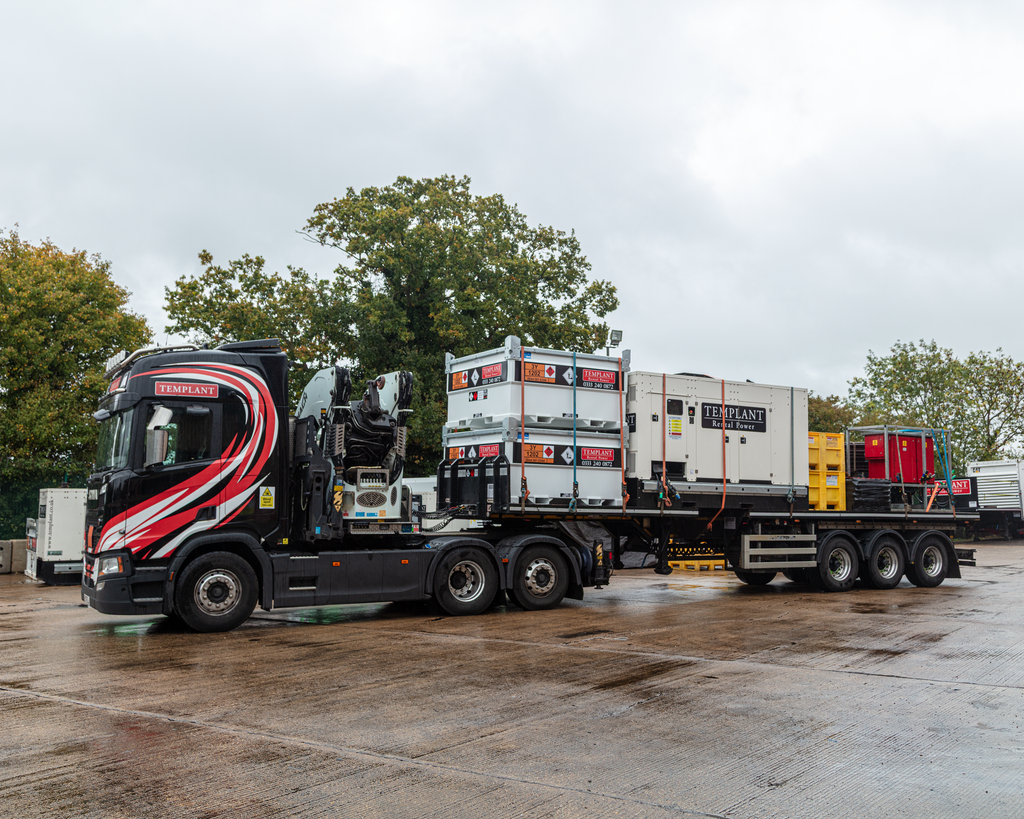
- 24/7 emergency call-out. Templant operates around the clock, with its own transport fleet, so an engineer or replacement unit can be on site quickly if something goes wrong outside normal hours.
- Remote monitoring. Every generator can be tracked in real time for fuel levels, output and performance, so problems are often spotted before they become visible on site.
- A wide generator range. From 20kVA units through to 1250kVA models, with the ability to synchronise multiple generators for larger power needs.
Frequently Asked Questions
Does Templant Service the Generators It Hires Out?
Yes. Every generator in Templant’s fleet is maintained on a set schedule, either every 500 hours of use or to the manufacturer’s specification. Hirers do not need to manage servicing or maintenance records themselves.
What Happens If a Generator Develops a Fault During a Hire?
Templant provides 24/7 emergency call-out and remote monitoring throughout the hire period, so faults can often be picked up early and responded to quickly if something does go wrong.
What Generator Sizes Does Templant Offer?
Templant’s fleet ranges from 20kVA units up to 1250kVA models, with the option to synchronise multiple generators together for larger power requirements.
Power You Can Rely On
Need reliable temporary power? From generator hire and scheduled servicing to 24/7 emergency call-out and remote monitoring, Templant provides ongoing support for your project from start to finish. Speak to the team today.